
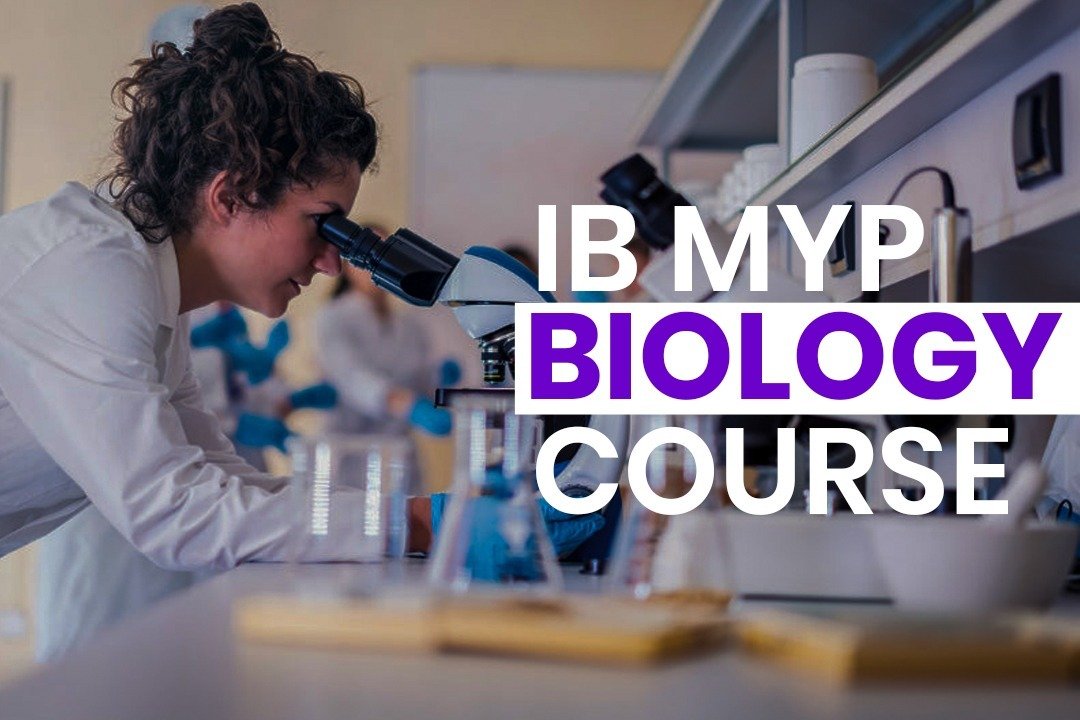
IB Biology may appear challenging; however, with an appropriate strategy, you can achieve excellent results. Here are five straightforward steps to facilitate your success. We will present these tips in a clear manner for your comprehension and application.
Get to Know Basic Biology
Initially, it is essential to grasp some fundamental concepts in biology. Consider biology as a comprehensive framework, with these concepts serving as the components that come together to form the whole.
Start by familiarizing yourself with cells, which are the minute building blocks of all living organisms. Understand the primary structures of a cell, such as the nucleus, which functions as the cell’s control center, and mitochondria, which provide energy to the cell. Subsequently, delve into genetics, which explores the inheritance of traits, such as eye color, from parents to offspring. Familiarize yourself with DNA, the molecule that encodes these traits, and genes, which are segments of DNA responsible for specific characteristics. Another crucial area is ecology, which examines the interactions between living organisms and their environments. This encompasses the study of ecosystems, such as forests and oceans, food chains that illustrate the flow of energy among organisms, and the interrelationships among various species. Additionally, evolution is a vital concept, as it elucidates how organisms change over time through processes like natural selection and adaptation. A solid understanding of evolution will enhance your appreciation of the diversity of life on Earth.
Develop Good Study Habits
Achieving success in biology requires effective study strategies. It is advisable to create a Study Plan to manage your time efficiently. Rather than attempting to absorb all the material at once, divide your study sessions into shorter, consistent intervals. Utilize Various Resources to enhance your understanding. In addition to your textbook, explore online videos, websites, and supplementary study guides, as these can offer alternative explanations and reinforce your learning. Engage with Previous Exam Papers to familiarize yourself with the types of questions that may appear on assessments. Reviewing these papers will help you become accustomed to the exam structure and improve your ability to articulate clear responses.
Improve Your Lab Skills
In biology, you’ll do experiments in the lab, so being good at this is important. Follow Instructions Carefully to get accurate results. Always read the steps before starting an experiment and do them as written. Write Down Observations Clearly in your lab notebook. Note what you see and measure during experiments. This helps you understand your results and write up your findings. Understand Your Data by looking at your experiment results and figuring out what they mean. Practice reading graphs and charts to make sense of the data.
Learn Key Biology Terms
In the field of biology, conducting experiments in the laboratory is essential, making proficiency in this area crucial. It is imperative to adhere to instructions meticulously to ensure precise outcomes. Prior to commencing any experiment, thoroughly review the procedural steps and execute them as outlined. Document your observations clearly in your laboratory notebook, recording all visual and measurement data obtained during the experiments. This practice enhances your comprehension of the results and aids in the formulation of your conclusions. Additionally, it is important to analyze your data by examining the results of your experiments and interpreting their significance. Familiarize yourself with reading graphs and charts to effectively understand the data presented.
Stay Interested in Biology
Finally, keeping your interest in biology can make learning easier and more fun. Ask Questions if you don’t understand something. Your teacher can help clarify confusing parts. Join Class Discussions to deepen your understanding. Sharing and hearing ideas from others can give you new insights. Connect Biology to Everyday Life by seeing how the concepts apply around you. For example, notice how genetics affects traits in animals or plants you see.
Conclusion
By focusing on understanding basic ideas, developing good study habits, improving your lab skills, learning key terms, and staying interested, you’ll be well on your way to mastering IB Biology. Keep these steps in mind, and you’ll find the subject more manageable and enjoyable.